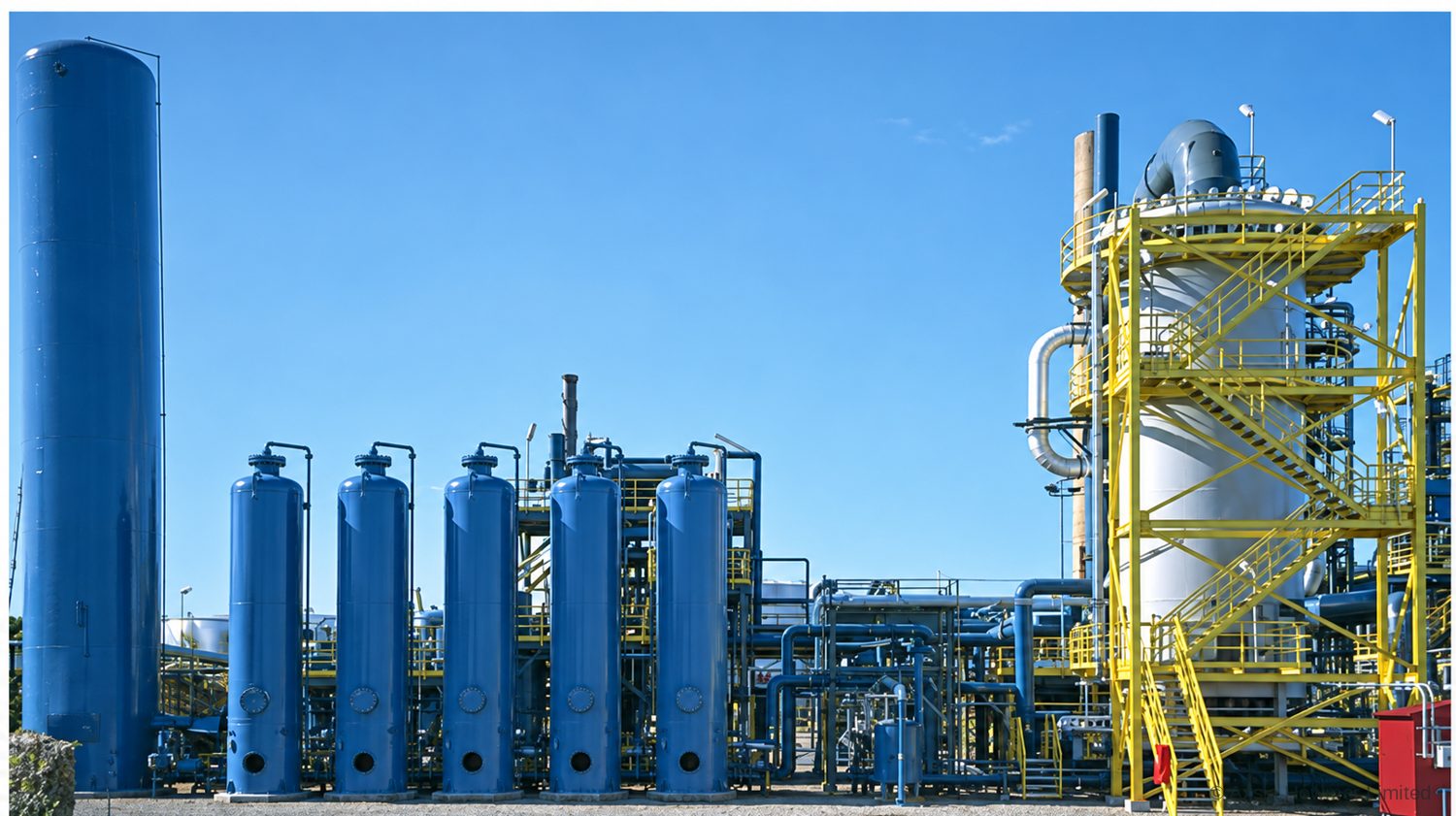
In depth
What the desalter does for the crude unit
The desalter sits between the crude tanks and the rest of the preheat train. Its job is to take the salt, the water and most of the solids out of the crude before the crude is heated further, because everything that stays in the crude at this point becomes a problem somewhere else. Chlorides hydrolyse to hydrochloric acid and corrode the crude column overhead. Salt fouls the preheat exchangers and furnace tubes. Water flashes in the furnace. Sodium and metals carried in the brine poison hydrotreating and cracking catalysts. A desalter that works well is invisible; one that does not shows up as corrosion, fouling, an overhead water pH excursion or a wastewater plant upset.
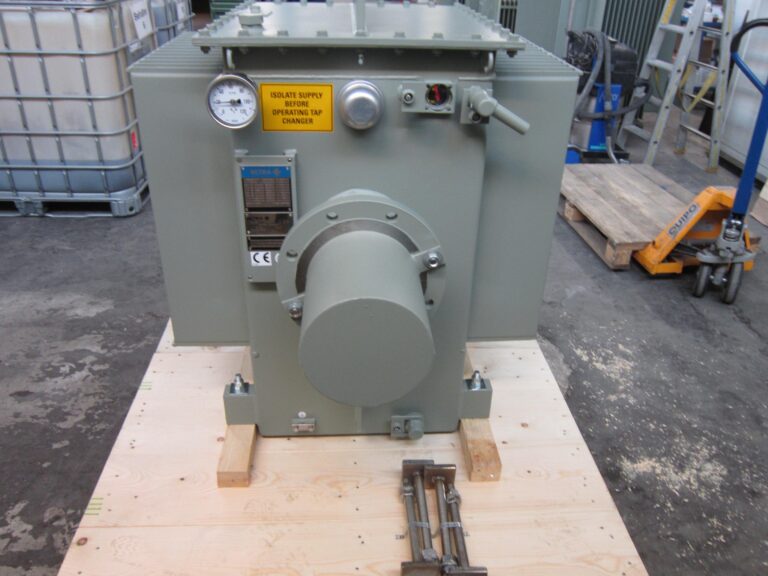
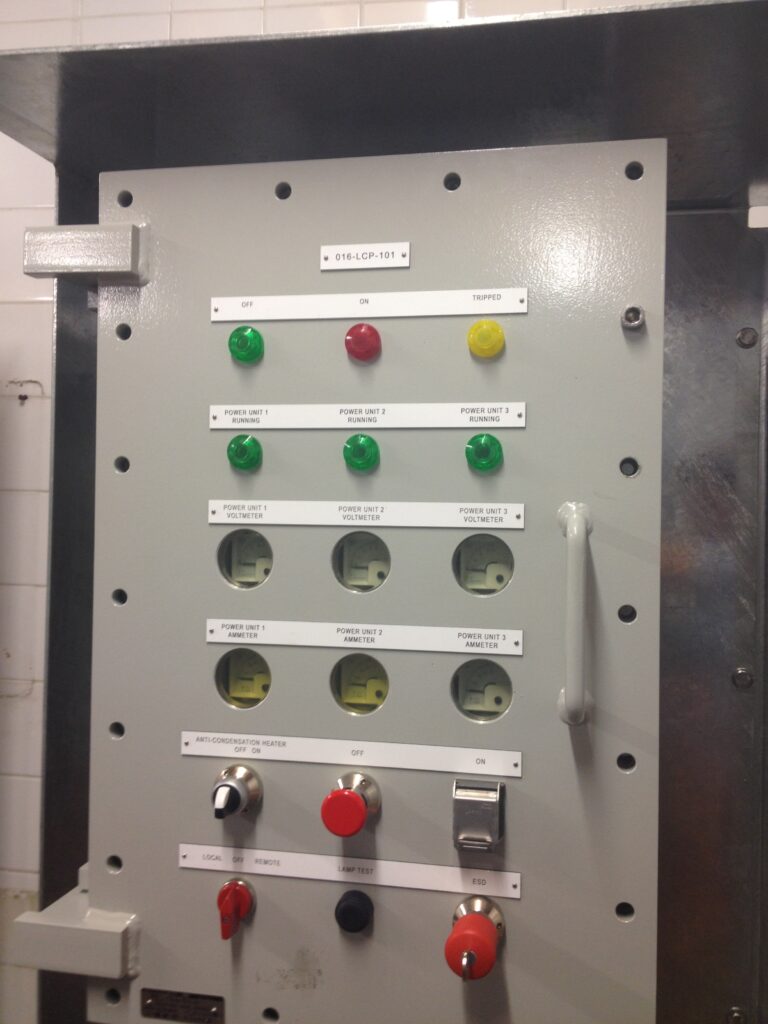
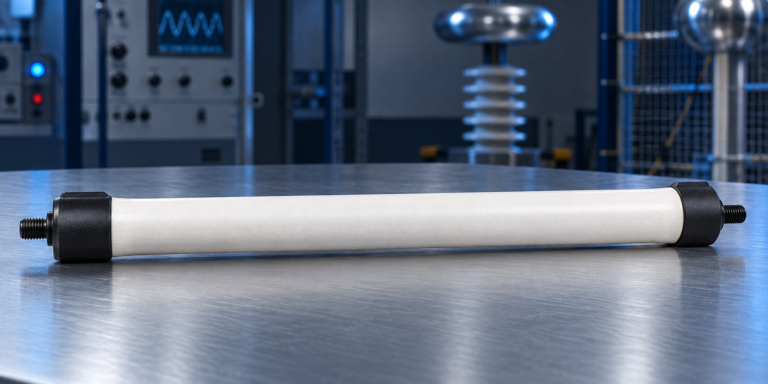
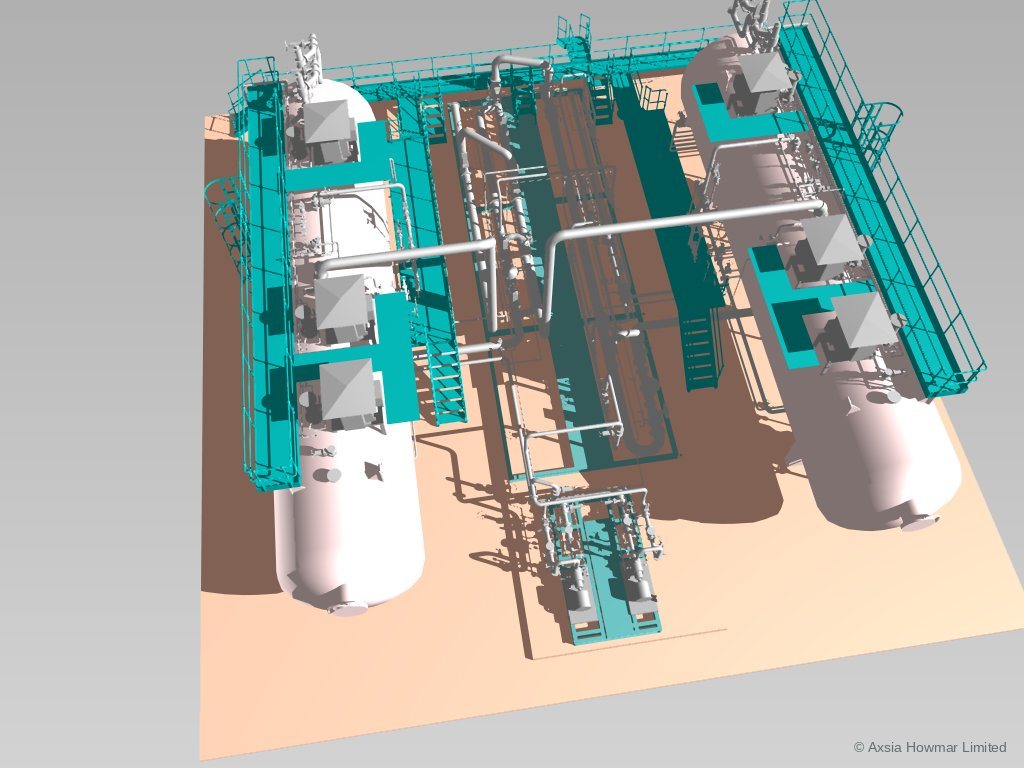
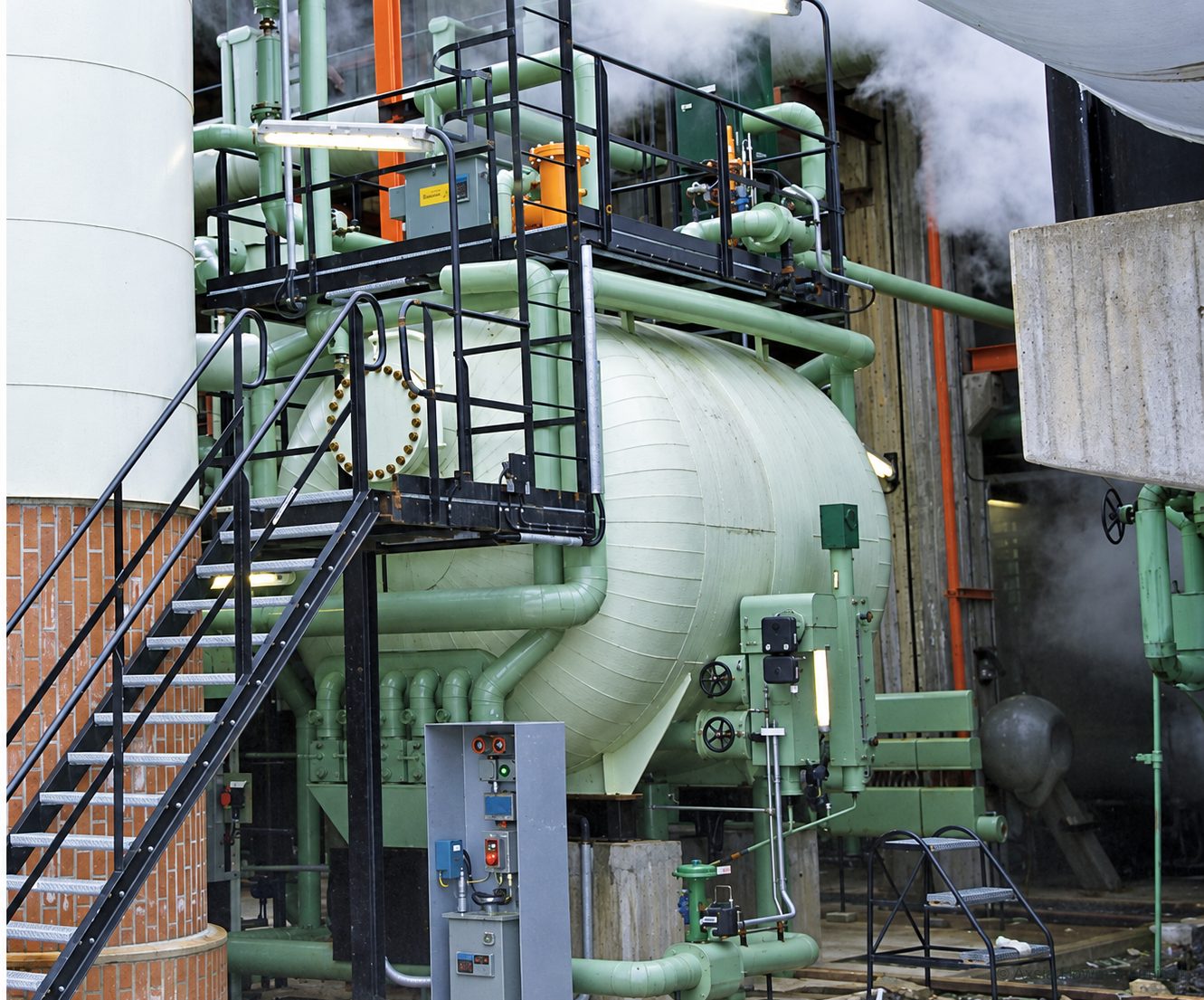
The vessel that does this is an electrostatic coalescer. In refinery service it is nearly always run in desalter duty, with wash water mixed into the crude upstream, and it is described on one page as the crude oil desalter and dehydrator because the same vessel does both jobs. The power units that energise it have their own page: desalter power units.
Where refinery desalting differs from oilfield treating
A refinery desalter runs hotter and at higher pressure than an oilfield dehydrator, typically 110 to 150 °C, with the operating pressure held above the vapour pressure of the crude and the water so that nothing flashes inside the vessel. The crude is a blend that changes with every cargo, so the design must cover a range of gravities, viscosities, conductivities and solids loadings rather than one well-defined stream. Wash water is available in quantity, often stripped sour water or condensate, and its quality matters: ammonia, sulphides and phenols in the wash water change the emulsion and the effluent.
The salt specification is tighter than an export specification. Where a single stage cannot reach it, or where opportunity crudes are planned, two vessels are run in series with the wash water in counter-current: fresh water to the second stage, second-stage effluent to the first. The comparison is set out in single-stage vs two-stage desalting.
What Axsia Howmar provides
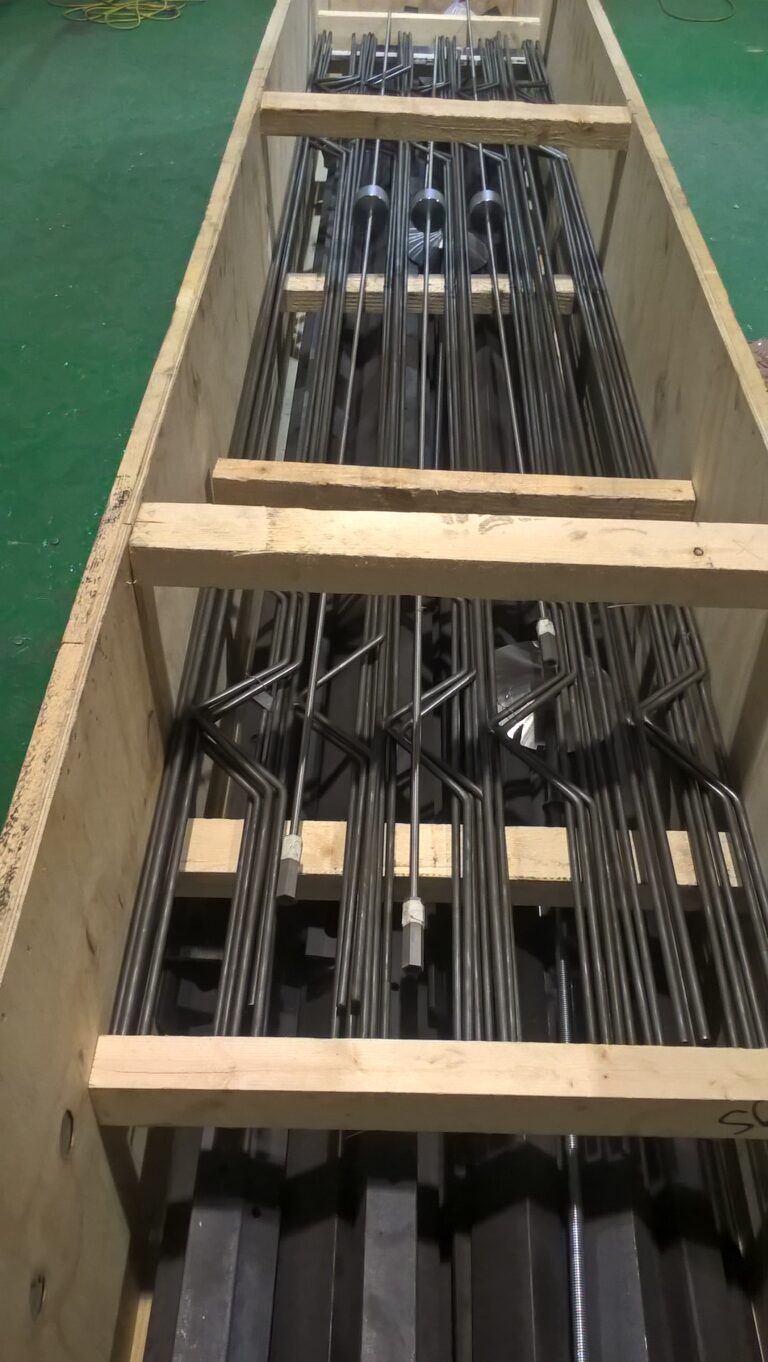
Axsia Howmar designs and manufactures desalter and dehydrator packages for crude units: the process design from the crude assay and the salt specification, the vessel and its internals, the power units, the mixing valve and wash water system, the interface measurement and mud wash, and the control philosophy. Fabrication is subcontracted to approved and audited fabricators under our supervision, and we commission the unit and run the performance test with the refinery.
For units already in service we provide a design review for capacity enhancement when the crude slate or the throughput changes, troubleshooting and performance diagnostics when the unit is not meeting specification, and spare parts for desalters of any make, identified from a nameplate photo or a drawing.
Other refinery equipment
Two other Axsia Howmar packages are used in refineries. Pressure swing adsorption (PSA) hydrogen purification recovers high-purity hydrogen from reformer and refinery off-gas streams. The electrostatic coalescer prewash removes the aqueous phase from kerosene ahead of sweetening. Upstream treating, with crude oil heaters and dehydrators at production facilities, is covered under crude oil treatment.