
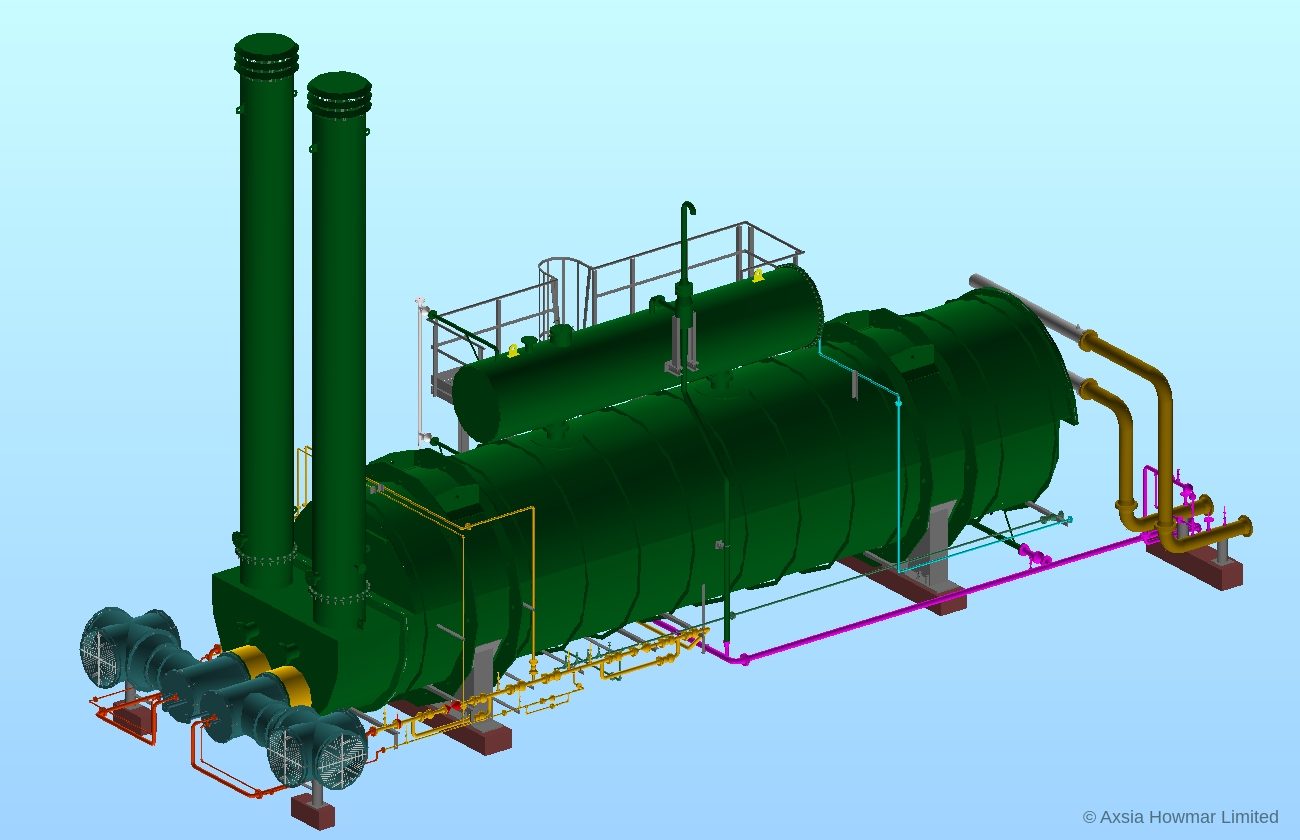
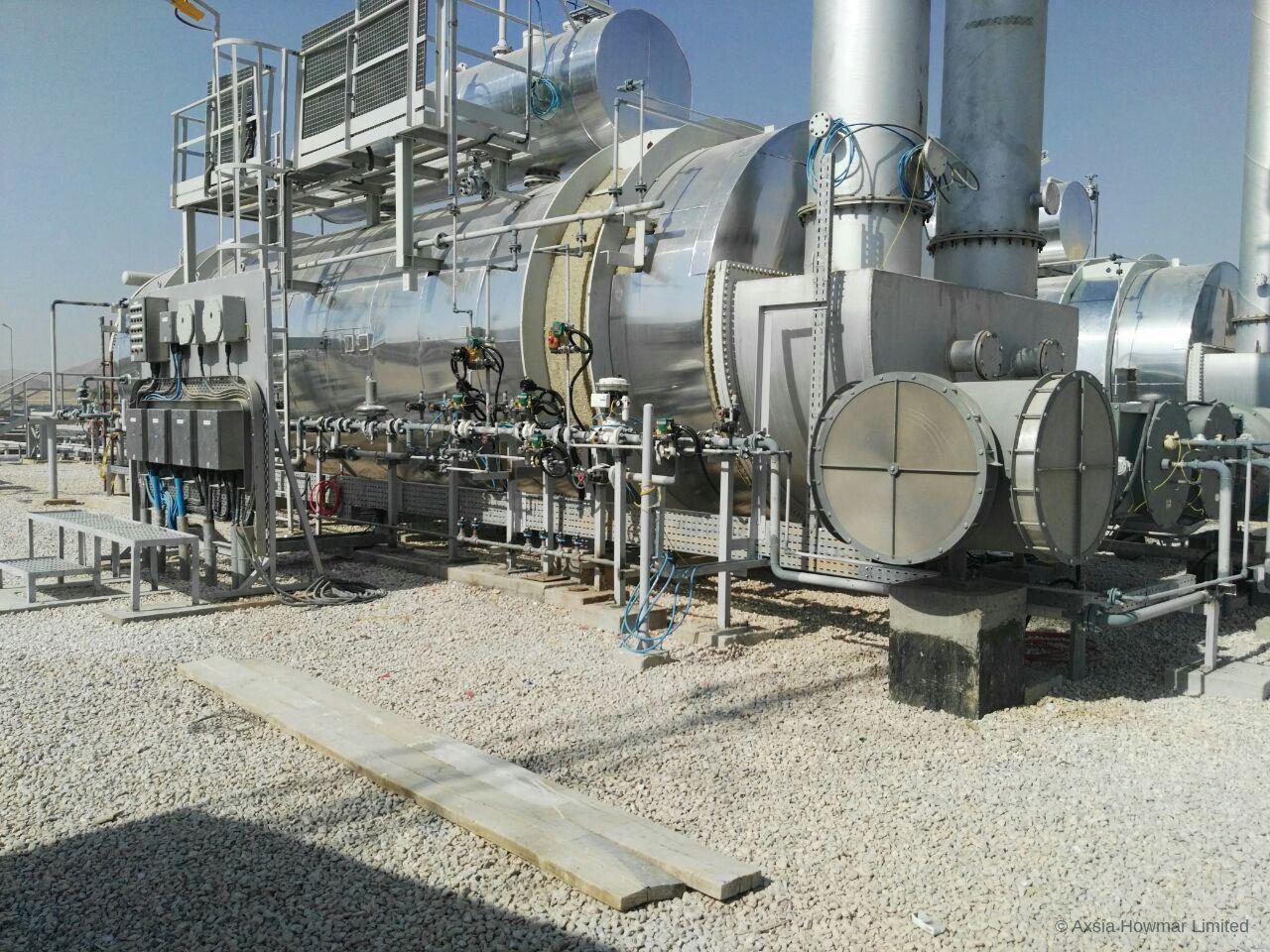
Where a crude oil heater sits in the process
A crude oil heater sits between the last separator and the first electrostatic coalescer. Where heat can be recovered from treated crude or from another stream, a heat exchanger ahead of the heater reduces the fired duty. The crude oil treatment overview shows the heater in the train.
Design and selection considerations for crude oil heaters
The design of a crude oil heater is governed by duty, by the pressure drop available through the coil, and by the fuel. Points that decide the design are:
- Duty over field life. Water cut raises duty sharply, so the design case should be the worst combination of flow, water cut and inlet temperature, not the first-year case.
- Coil velocity and pressure drop. Velocity must be high enough to limit fouling and low enough for the pressure drop available. Multiphase flow in the coil changes both.
- Fire tube heat flux. Flux is limited to protect the fire tube and the bath. It sets fire tube area and therefore vessel size.
- Bath liquid. Water suits most duties. Glycol mixtures give freeze protection.
- Fuel gas quality. Wet or sour fuel gas needs conditioning ahead of the burner.
- Hazardous area and emissions requirements. These decide the burner type and the burner management system.
Materials used in crude oil heaters
Crude oil heater bath vessels and fire tubes are normally carbon steel. Process coils are carbon steel or low-alloy steel to the line specification, with sour service materials where hydrogen sulphide is present.
Common operating problems with crude oil heaters
The common operating problems with crude oil heaters are failure to reach outlet temperature, fire tube failure, and burner trips. Failure to reach temperature is usually a duty problem: water cut or flow above the design case, or a fouled coil. Fire tube failures follow scale on the bath side, low bath level or flame impingement. Burner trips usually trace to fuel gas pressure or liquids in the fuel gas. A heater that cannot hold temperature shows up downstream as rising BS&W, which is why we ask for temperature trends when troubleshooting a coalescer.
Capacity enhancement and revamp options for crude oil heaters
A crude oil heater that has become the limit on a treatment train can be relieved by recovering heat from treated crude, cleaning or replacing the process coil, re-rating the burner within fire tube flux limits, or adding a parallel unit. A design review checks the heater together with the coalescer, since lowering the required treating temperature is sometimes cheaper than adding duty.