Spare parts · in development

High-voltage bushing. Thoughtful sealing. Practical design.

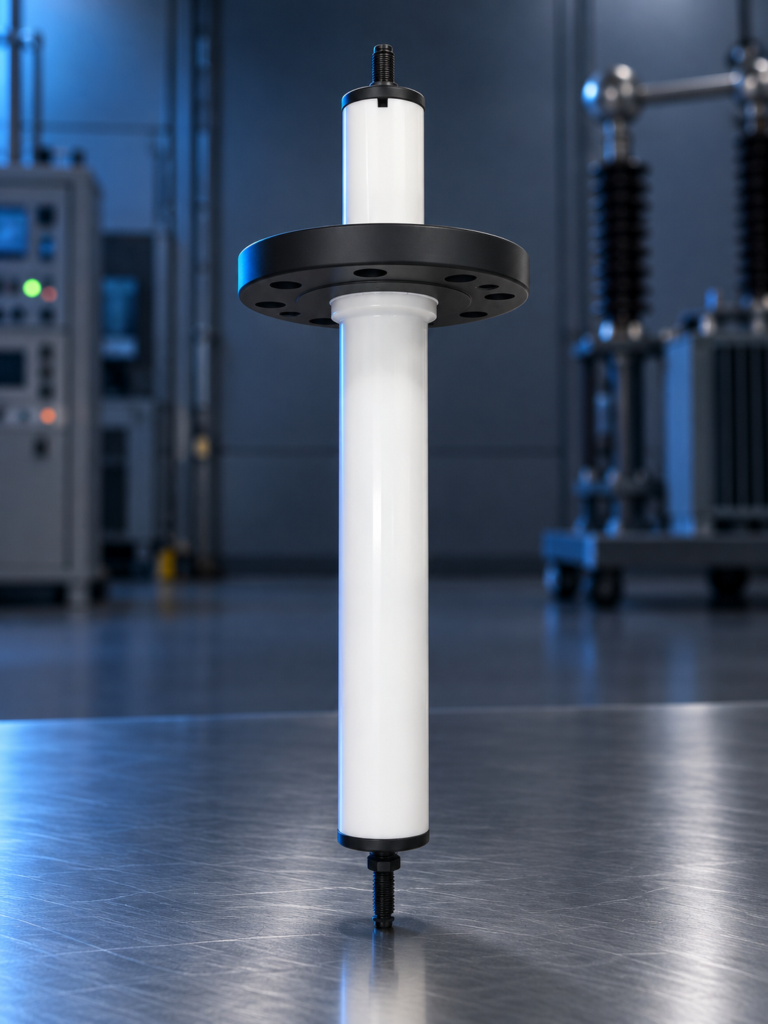
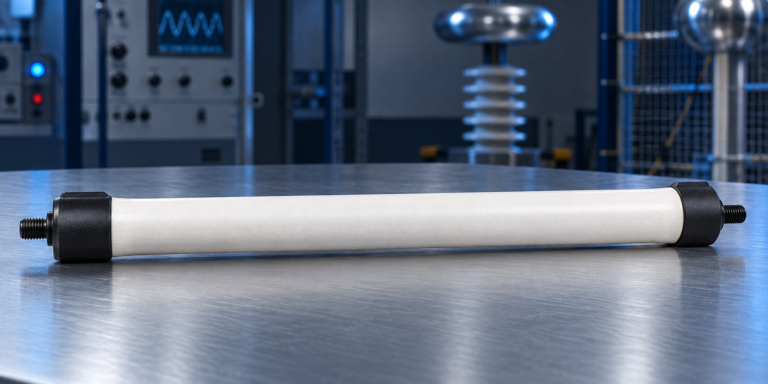
AxiLatch HV is an entrance bushing being developed by Axsia Howmar for electrostatic crude oil desalters and dehydrators. It is the interface through which power passes from the external high-voltage supply to the electrodes inside the process vessel, and it brings electrical insulation, sealing and mechanical support together in one compact assembly designed with installation, inspection and maintenance in mind.

Insulation, sealing and conductor support in a single compact unit
One assembly
Each potential leakage path addressed by its own sealing stage
Multiple seal stages
Materials, seals and interfaces reviewed against the vessel and the operating conditions
Assessed per application

Enquire about AxiLatch HV Replacement entrance bushings supplied today

What the bushing does

The one component that carries 20 kV through a wall full of crude oil

A desalter runs on a high-voltage AC field between the electrode grids inside a pressure vessel full of crude oil. The power unit sits outside. The entrance bushing is where the two meet: a conductor through the vessel wall that must hold off the voltage to earth, keep the process fluid in, and stay put under thermal cycling, vibration and the occasional field collapse.

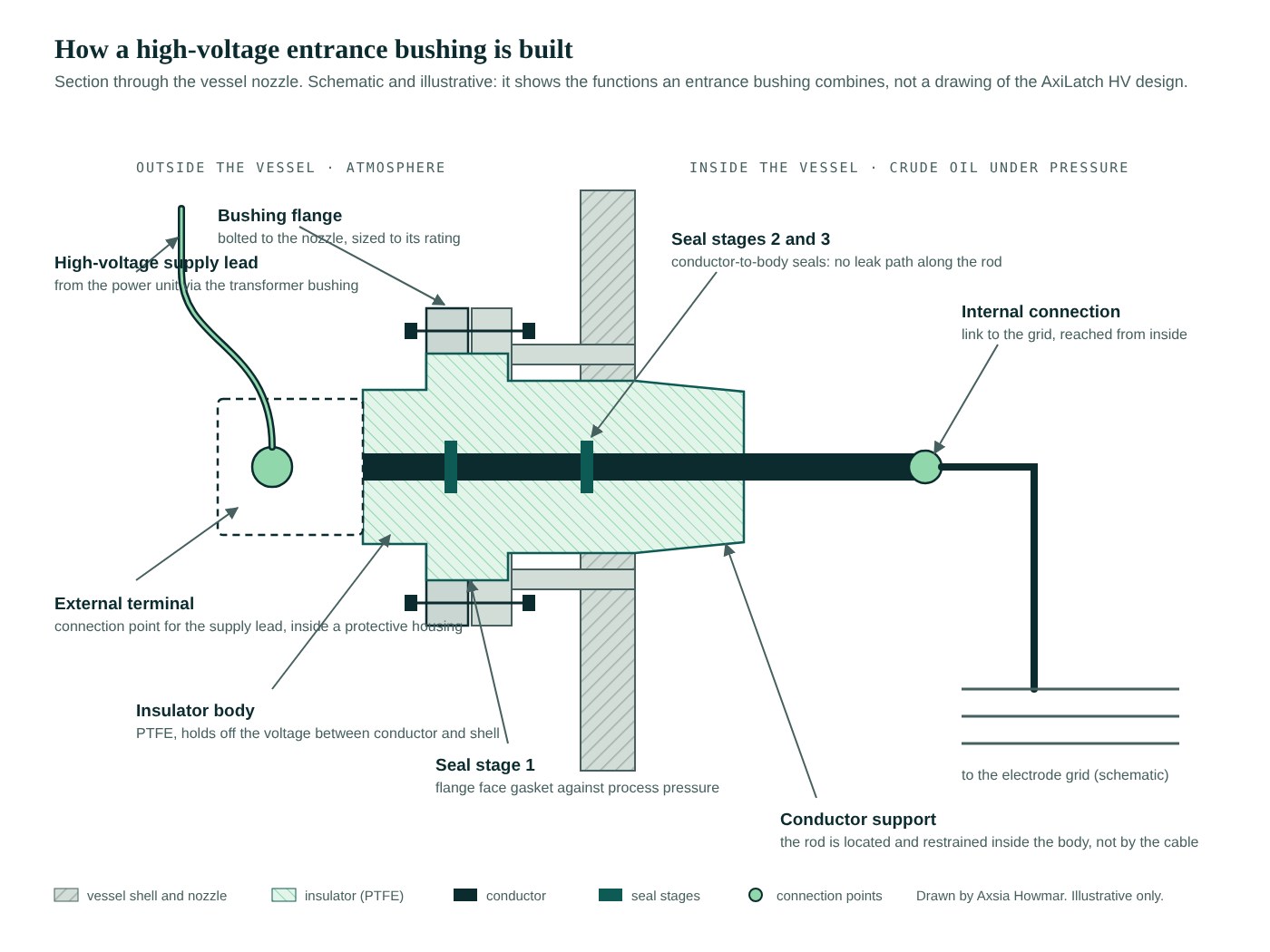
When an entrance bushing fails it usually fails at one of three places: the seal, the connection or the support. AxiLatch HV is being designed around those three functions rather than around a single insulator, so that each has a defined arrangement that can be inspected and maintained.

How the power unit and bushings work together

Section through a vessel nozzle showing the functions an entrance bushing combines: flange, insulator body, conductor, seal stages, external terminal and internal connection. Schematic and illustrative, not a drawing of the AxiLatch HV design.

Designed around the application

Four things the design sets out to get right

  • Sealing integrity

    Multiple sealing stages address the potential leakage paths: at the flange, along the conductor and at the terminal, so that no single seal is the only barrier.

  • Conductor support

    A controlled mechanical arrangement locates and restrains the electrical connection, so that the conductor is supported by the body and not by the cable or the grid.

  • Compact construction

    A streamlined profile with accessible connection points inside and outside the vessel, for installation and inspection without special tooling.

  • Application review

    Materials, seals and installation interfaces are assessed against the intended operating conditions before the bushing is offered for a vessel.

For desalters, dehydrators and prewash coalescers

New packages first; selected replacement applications after assessment

AxiLatch HV is intended for consideration in new electrostatic treatment packages designed by Axsia Howmar, desalters and dehydrators first and the electrostatic prewash coalescers of kerosene sweetening units where the duty allows, and in selected replacement applications. Suitability for existing equipment is assessed case by case against the vessel connection, the electrical arrangement and the process requirements; it is not offered as a drop-in part for every vessel.

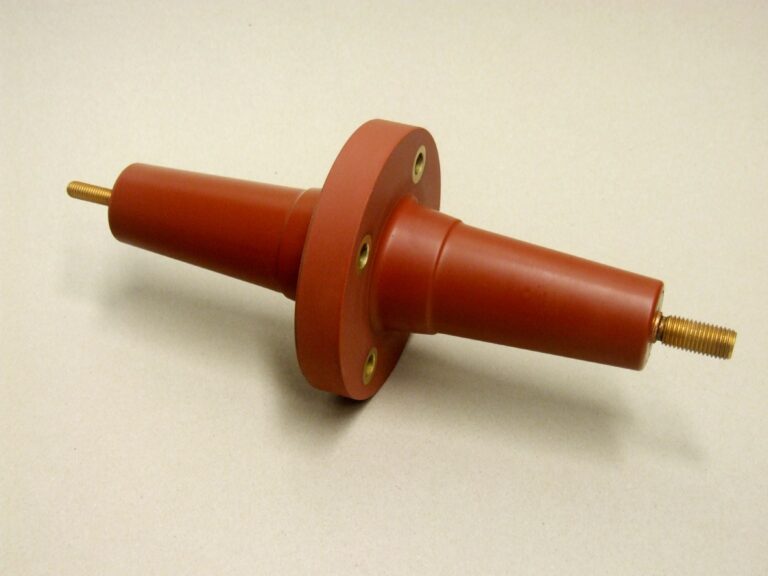
Replacement entrance bushings, transformer bushings and electrode insulators for desalters in service today are supplied from our catalogue, confirmed against the nameplate or drawing reference. Supply is subject to UK export control and sanctions checks.

Electrostatic coalescer spare parts

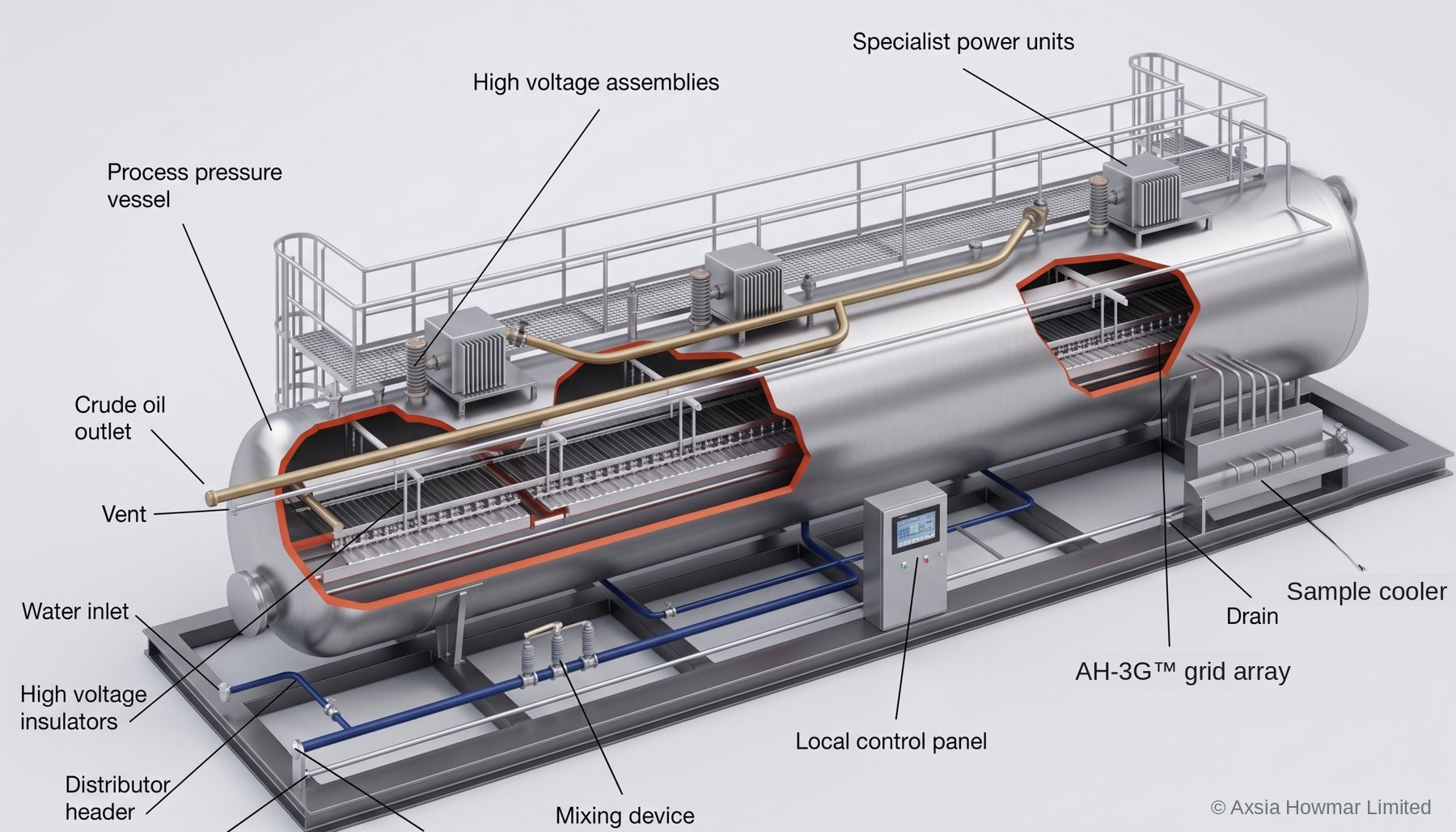
Main components of an electrostatic desalter: power units, high-voltage assemblies, grid array, distributor header and mixing device.

Replacement assessment

What we look at before saying yes to an existing vessel

Partial information is normal. Send what you have and an engineer will tell you what else matters.

  1. Vessel connectionNozzle size, flange rating and facing, design pressure and temperature, and the vessel drawing or nameplate.
  2. Electrical arrangementPower unit rating and output taps, transformer bushing and housing, and how the grid is connected and supported.
  3. Process requirementsCrude properties, water cut, operating temperature and any sour service or special material requirement.
  4. RecommendationWhether AxiLatch HV suits the vessel, what changes if any are needed at the nozzle or terminal, or which catalogue bushing to fit instead.

Discuss your application

Tell us about an entrance-bushing requirement on a new package, or ask for a replacement assessment on a vessel in service. A nozzle size, a power unit rating and a nameplate photograph are enough to start; partial information is normal. We acknowledge every enquiry within 1 working day.

Questions engineers ask

Frequently asked questions

Is AxiLatch HV available to order?

Not yet as a catalogue part. It is in development and is offered for consideration on new electrostatic treatment packages and on selected replacement applications after an engineering assessment. Replacement entrance bushings for vessels in service are supplied from the catalogue today.

Will it fit my existing desalter?

Possibly. Suitability is assessed against the vessel nozzle size and rating, the power unit and transformer bushing arrangement, and the process conditions. Send the vessel drawing or nameplate and the power unit rating and an engineer will tell you whether AxiLatch HV suits the vessel or which catalogue bushing to fit instead.

Does the design guarantee a longer bushing life?

No performance guarantee is given. The design addresses the three places where entrance bushings usually fail, the seal, the connection and the support, with defined arrangements that can be inspected and maintained; the operating conditions and installation practice still decide service life.