
Where these parts are used
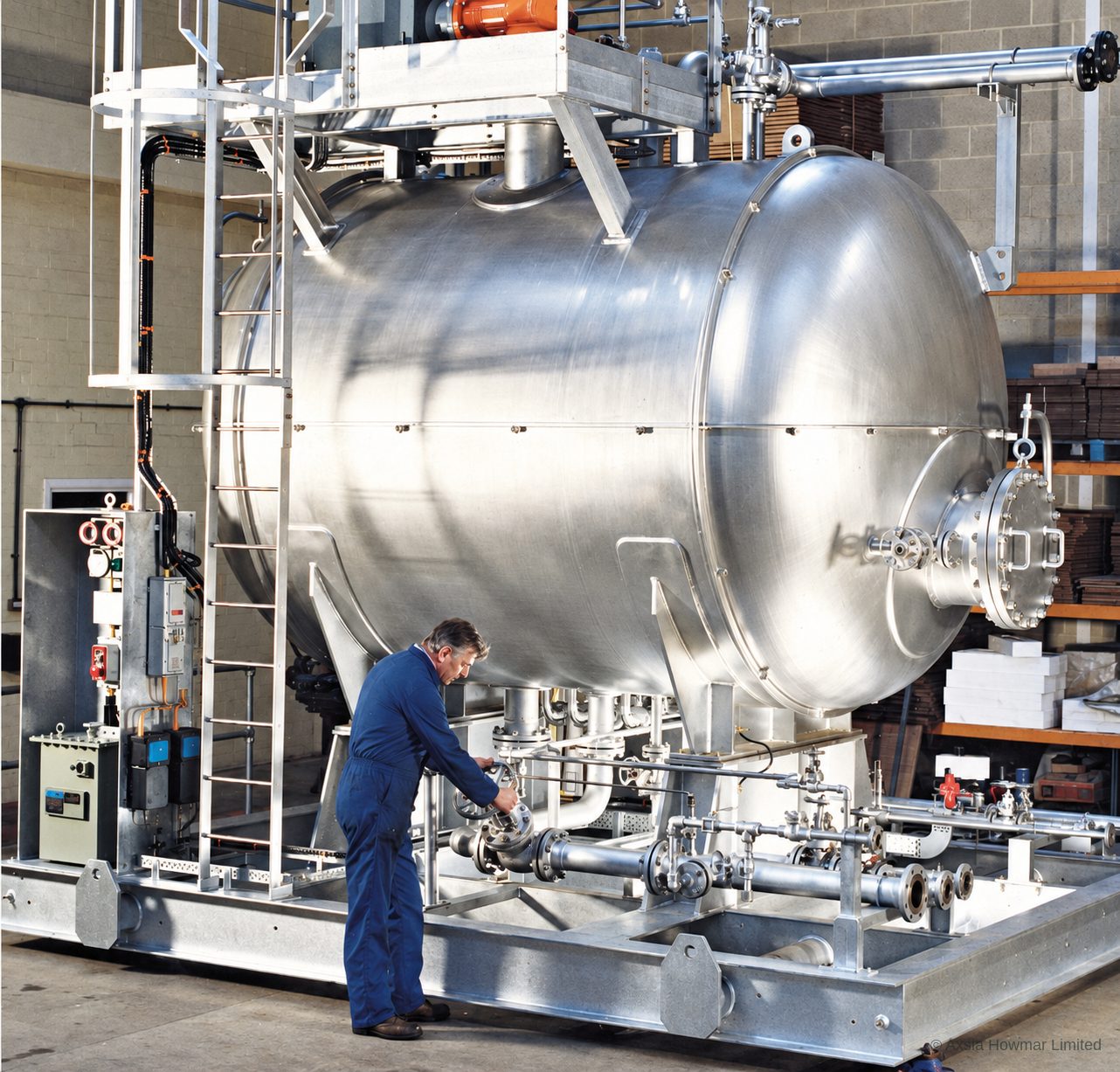
The prewash coalescer sits between the caustic prewash contactor and the sweetening reactor of a kerosene or jet fuel treating unit, including UOP Merox units. UOP Merox is named only to identify the process; the trademark belongs to its owner. The unit applies a high-voltage DC field to a clean, low-conductivity product, so its parts differ in rating and detail from those of a crude oil desalter even though the principle is the same. See electrostatic coalescer prewash for how the unit works.
Parts most often replaced on prewash coalescers
| Part | What it does | Why it is replaced |
|---|---|---|
| Entrance bushing | Carries the high-voltage DC supply through the vessel wall to the electrode grid while holding vessel pressure | Surface tracking or breakdown after caustic, water or deposits reach the insulation; seal deterioration; damage at maintenance |
| Electrode insulator | Suspends the energised grid from the vessel and isolates it from earth | Tracking across a caustic-wetted surface, cracking, or deposits that cannot be cleaned |
| Power unit | Steps up a three-phase low-voltage supply and rectifies it to a steady, controllable DC output for the grid | Rectifier or transformer failure, obsolete controls, repeated trips, or an upgrade to voltage control and current limiting |
| Power unit bushing | Carries the DC output out of the power unit and into the conduit to the entrance bushing | Oil leaks, insulation breakdown, damage; replacement during power unit overhaul |
| Gaskets and seals | Seal bushing flanges, manways and nozzles | Replaced at every opening; material matched to caustic and aromatics exposure |
Prewash coalescer parts in the catalogue
The entrance bushings, electrode insulators and power unit bushings below are listed in the open catalogue and suit both duties. Use the part finder to filter by category, or search by an old part number or drawing reference. Power units are made to order and quoted from the nameplate of the existing unit. For a desalter or dehydrator, see electrostatic coalescer spare parts.
-
Bushings & insulators
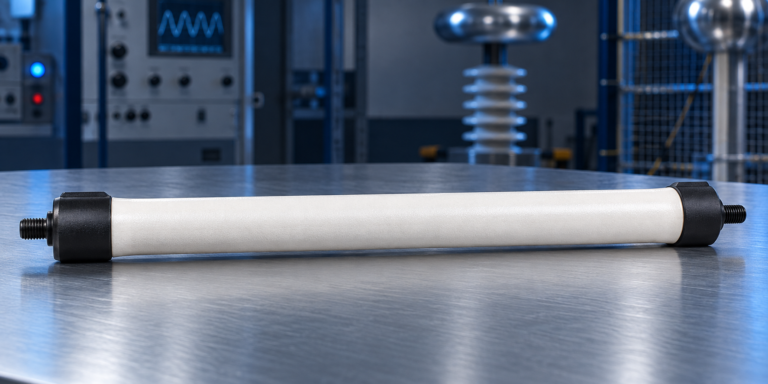
Electrode insulator
SKU AH-EC-1002
Suspends an energised electrode grid from the vessel structure inside a desalter, dehydrator or prewash coalescer and isolates it electrically from earth. Insulators work…
-
Bushings & insulators
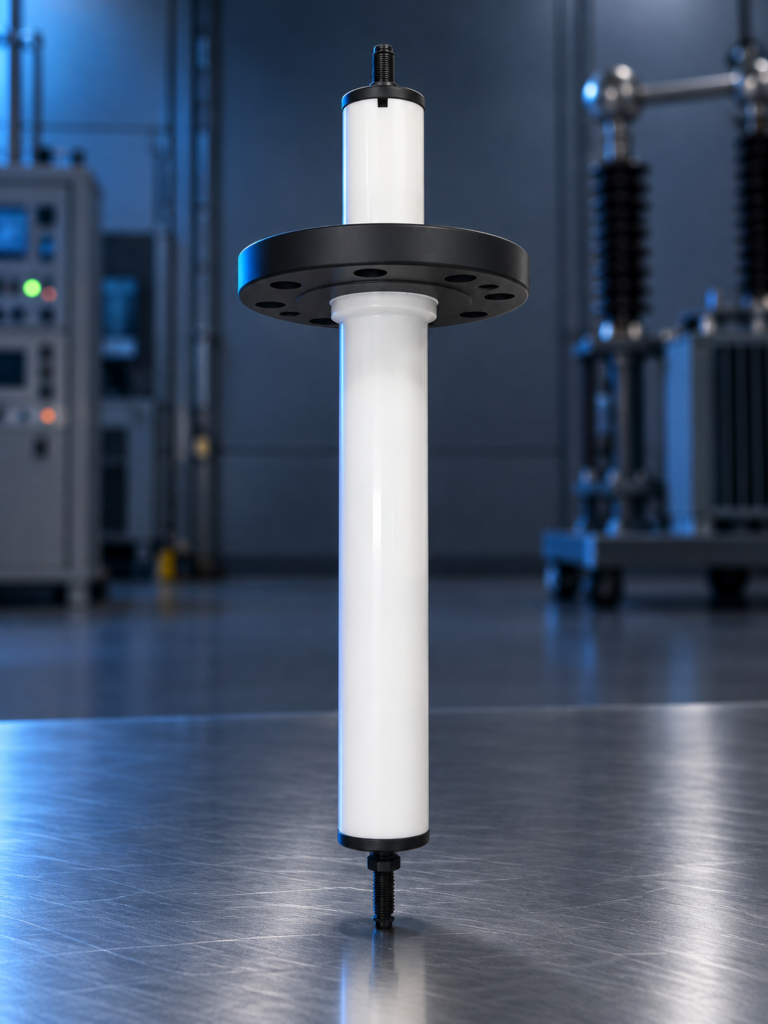
High-pressure entrance bushing
SKU AH-EC-1001
Carries the high-voltage conductor from the transformer or power unit through the pressure boundary of a desalter, dehydrator or prewash coalescer vessel to the…
-
Transformers & power units
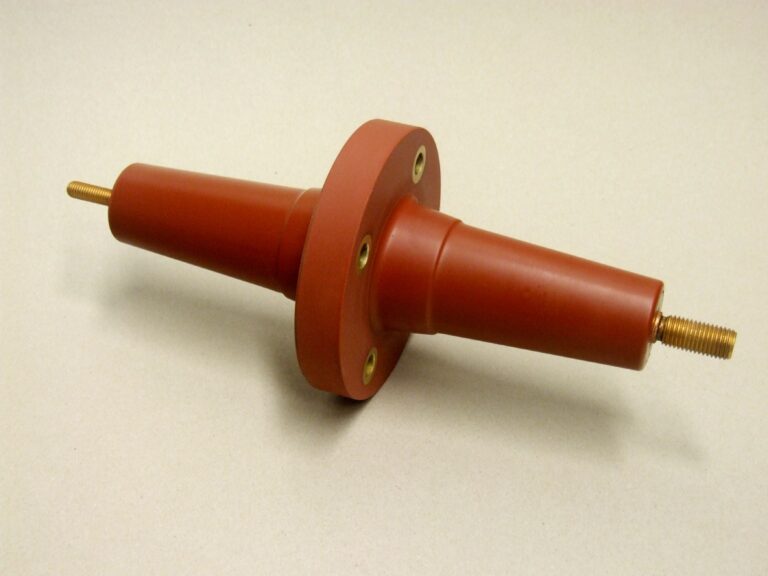
Transformer bushing and power supply bushing
SKU AH-EC-1006
Carries the high-voltage output of a desalter, dehydrator or prewash coalescer transformer or power unit out of the transformer tank and into the conduit…
Add to enquiry: Transformer bushing and power supply bushing
When a part failure is really a process problem
Repeated bushing or insulator failures on a prewash coalescer usually trace to caustic reaching the grid zone: a high interface, a caustic draw-off that is not keeping up, or a distributor that is letting caustic short-circuit the field. Low field voltage and power unit trips have the same causes more often than not. If parts are failing again within months, read troubleshooting and performance diagnostics before ordering again.
What we need to identify the right part
- A photo of the vessel nameplate and the power unit nameplate, with the power unit rating and output voltage.
- The part’s drawing number or old part number, even partial, if you have it.
- A photo of the part with a dimension for scale, where no reference exists.
- Operating temperature and pressure (say whether barg or bara), caustic strength and the hazardous area classification of the unit.
- Documentation required: EN 10204 3.1 material test certificate, certificate of conformity, high-voltage test certificates.
Need parts for a desalter, dehydrator or prewash coalescer?
Add parts to one enquiry and send it once. We acknowledge every request for quotation within 1 working day. Supply is quote-based and subject to export control checks on the delivery country.