Crude oil treatment

Crude oil desalters

A crude oil desalter removes salt from crude by mixing in low-salinity wash water to dilute the brine, then removing the water in an electrostatic coalescer. Salt leaves dissolved in the water. The vessel is the same equipment as a dehydrator; what makes it a desalter is the wash water, the mixing valve and how the two are controlled.

Typical salt removal in a single desalting stage
90 to 95 %
Typical with two stages in series
About 99 %
Outlet salt is stated in pounds per thousand barrels
PTB

Send a technical enquiry One stage or two?

How it works: Crude oil desalters

  1. Wash water is injected

    Low-salinity water, typically 3 to 10 vol% of the crude, is injected upstream of the mixing valve, and sometimes partly upstream of the preheat exchangers.

  2. The mixing valve creates contact

    Pressure drop across the mixing valve shears the wash water into droplets that collide with the brine droplets already in the crude and dilute them.

  3. The electric field coalesces the droplets

    In the vessel, the field between the electrode grids merges the diluted droplets into drops that can settle.

  4. Brine leaves as effluent

    Water leaves under interface control, carrying the salt. In two-stage trains, second-stage effluent is recycled as first-stage wash water.

Desalter duty

The same vessel as a dehydrator, with wash water mixed in upstream

A desalter is an electrostatic coalescer with low-salinity wash water injected and sheared into the crude across a mixing valve ahead of the vessel. The wash water contacts and dilutes the salty formation water; the electrostatic field then merges the diluted droplets so that they settle and leave as effluent, carrying the salt with them. Outlet salt is stated in pounds per thousand barrels (PTB).

Single-stage vs two-stage desalting

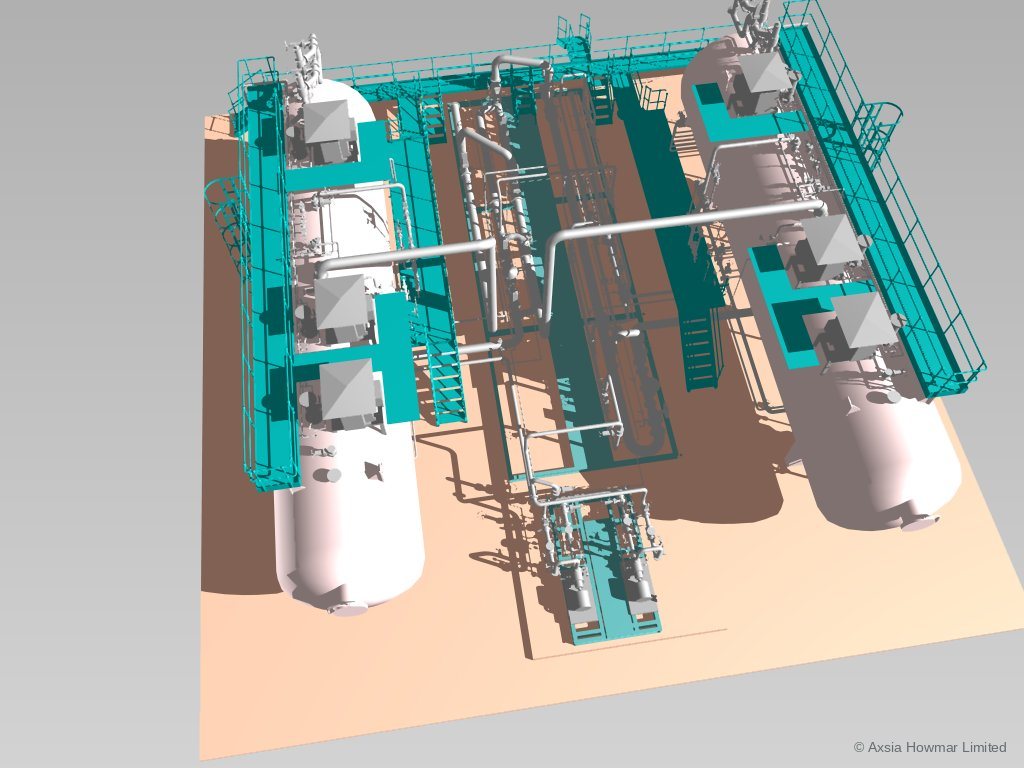
3D model of a two-stage desalter package: two coalescer vessels with top-mounted power units, access platforms, interconnecting piping and wash water pumps on one plot.

How dilution removes salt

Contact, then separate

  1. Inject wash waterTypically a few percent of the crude rate, of low salinity, injected upstream of the mixing valve.
  2. Mix across the mixing valveThe pressure drop sets droplet size: too little gives poor contact with the brine, too much makes an emulsion that is hard to break.
  3. Coalesce and settleThe electrostatic field merges the diluted droplets; they settle to the water phase and leave under interface control.
  4. Add a second stage if the specification demands itFresh water to the second stage, its effluent reused in the first: typically about 99 % removal against 90 to 95 % for one stage.

What is specific to desalter duty

Desalter duty adds a deliberate mixing step to dehydration, and that step is what operators actually control. Outlet salt depends on two efficiencies multiplied together: how completely the wash water contacts the brine (mixing efficiency), and how completely the vessel then removes water (dehydration efficiency). Raising mixing valve pressure drop improves the first and harms the second. Every desalter has an optimum, and it moves when the crude changes.

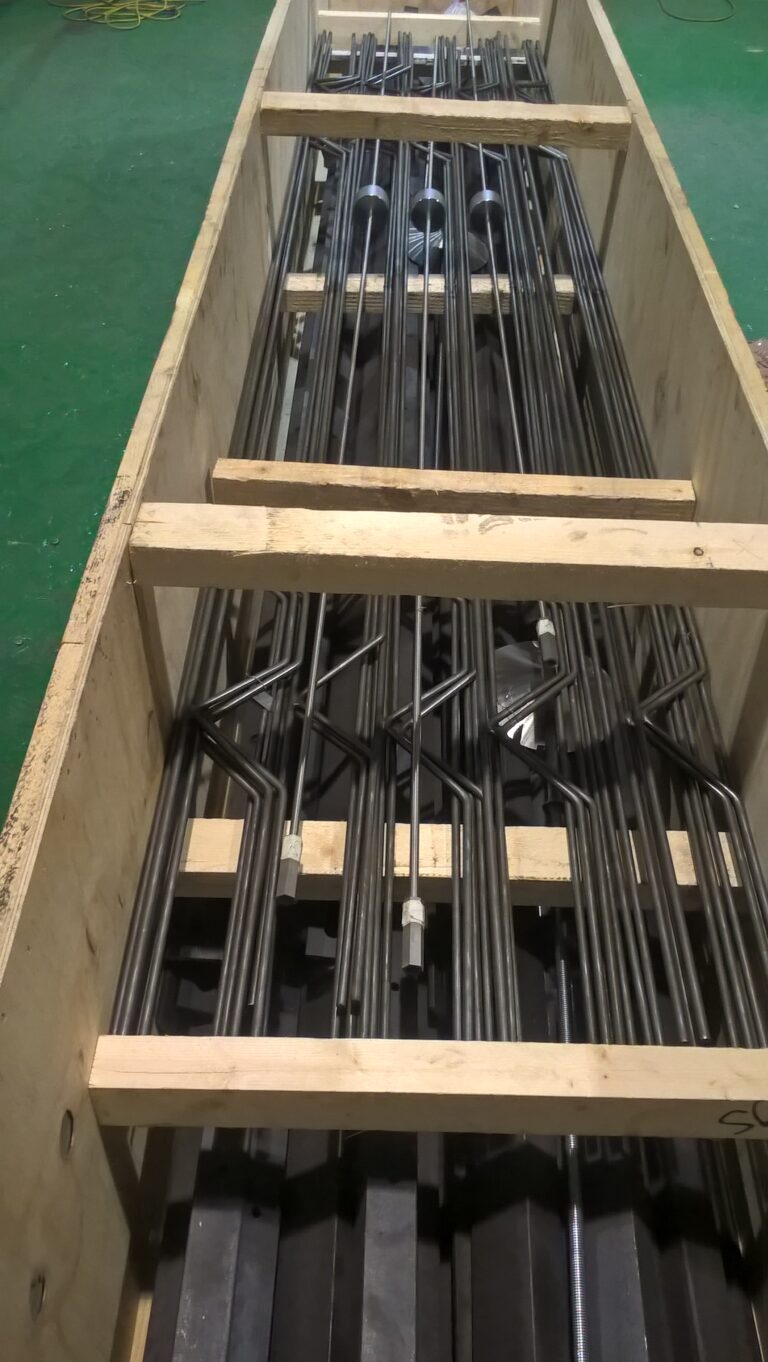
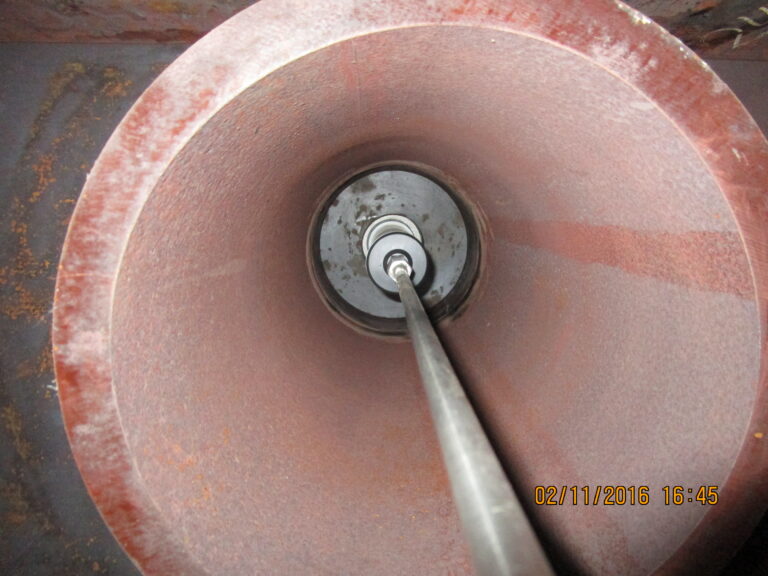
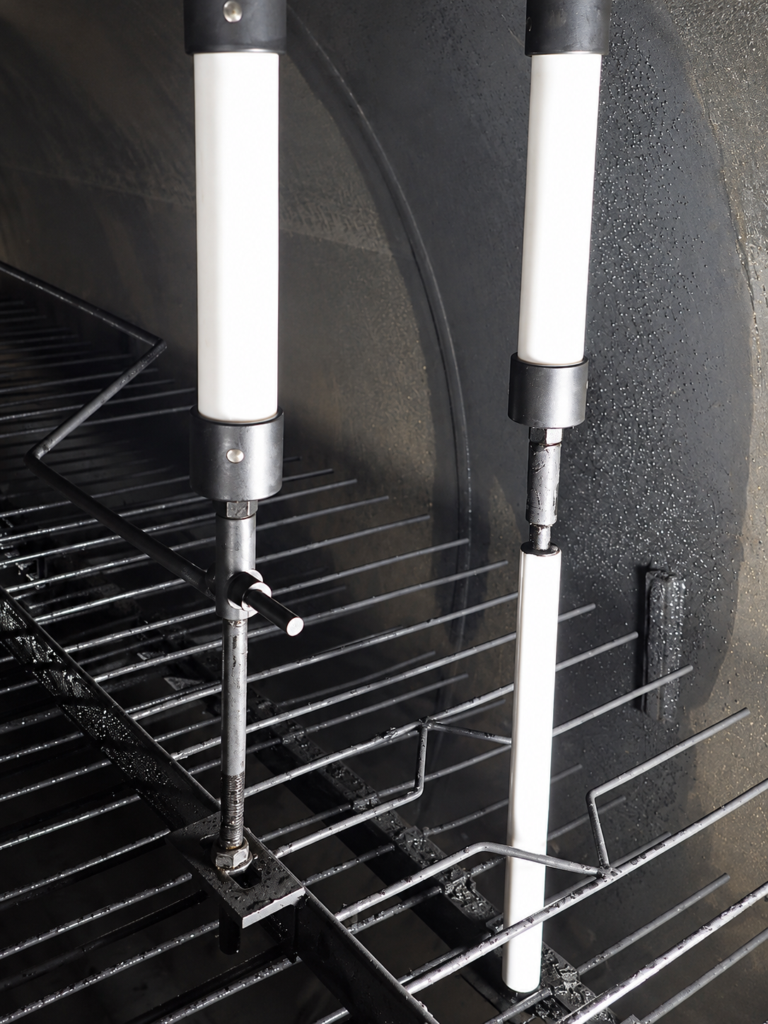
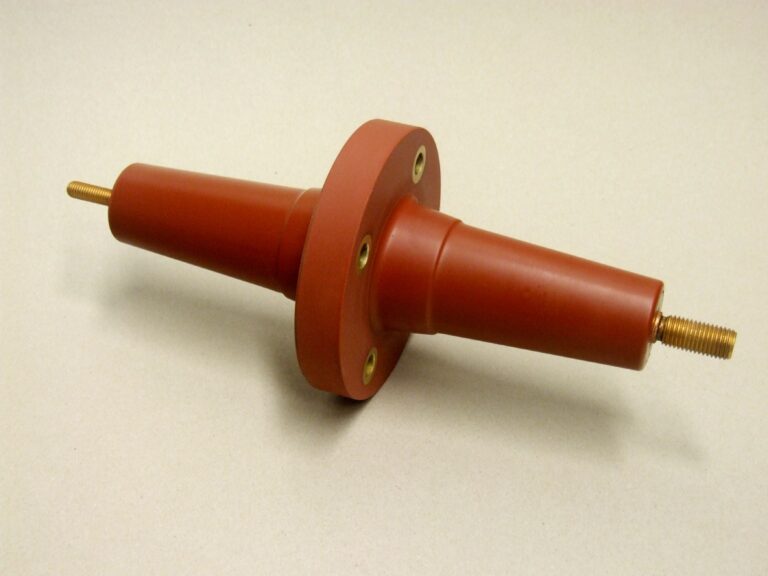
The vessel, grids, entrance bushing and power unit are described, with an annotated drawing, on the electrostatic coalescers page.

Where a crude oil desalter sits in the process

A refinery crude oil desalter sits part-way along the crude preheat train, where exchanger duty brings the crude to the chosen desalting temperature, and upstream of the hotter exchangers and the crude heater it protects. In an oilfield train the desalter follows the dehydrator. Operating pressure is held high enough to keep both crude and water in the liquid phase at desalting temperature.

Single-stage or two-stage desalting

A single desalter stage is limited by how much salt dilution and one pass of coalescence can remove. When inlet salt is high or the target is low, a second stage is added, with fresh water to the second stage and its effluent recycled to the first. The trade-offs are set out in single-stage vs two-stage desalting.

Design considerations for desalter duty

The design of a desalter duty starts from inlet salt and the target, which together fix the removal efficiency needed and therefore the stage count. After that the important choices are the wash water source and its chemistry, where the water is injected, the mixing device and its control range, the desalting temperature, and the interface and solids handling provisions for the crudes expected. Refineries that process many crudes need a wider operating window than a field unit on one crude.

Common operating problems in desalter duty

The common operating problems in desalter duty are high outlet salt with normal BS&W, which points to contact or wash water quality; high salt with high BS&W, which points to coalescence; emulsion band growth; power unit trips; and oily effluent. Each is covered in the troubleshooting symptom index, with the data we would ask for.

Capacity enhancement and revamp options for desalters

A desalter limited by throughput or by a harder crude slate can often be improved within the existing vessel: new grids or an additional grid level, higher-capacity power units, better inlet distribution, better interface measurement, a mud wash system, or a second stage using an existing vessel. A design review tests each option against the future crude slate.
Design parameters: Crude oil desalters

Design parameters: Crude oil desalters
ParameterTypical rangeUnitBasis / note
Wash water rate3 to 10vol% of crudeTypical published range, relative to dry crude
Mixing valve pressure drop0.3 to 1.5barTypical published range; differential pressure
Operating temperature, refinery90 to 150°CTypical published range
Operating pressureAbove vapour pressure of crude and water at operating temperaturebargGauge pressure
Electrode voltage, transformer secondary12 to 25kVTypical published range

Typical ranges for orientation only. The design basis for each unit is set from the feed analysis and the required product specification.

Codes and standards applied to Crude oil desalters

Typically applied; the governing codes are confirmed per project with the client and the jurisdiction.

ASME BPVC Section VIII Division 1
Pressure vessels Vessel
PD 5500 / EN 13445
Unfired pressure vessels Where specified
IEC 60079 / ATEX / IECEx
Equipment for explosive atmospheres Electrical equipment
NACE MR0175 / ISO 15156
Sour service materials Where hydrogen sulphide is present

Applications: Crude oil desalters

  • Refinery crude unit desalting: Single-stage or two-stage desalting in the crude preheat train to protect the crude unit from chloride corrosion and fouling.
  • Oilfield desalting: Meeting an export salt specification such as 10 PTB where dehydration alone does not.
  • Opportunity and heavy crudes: Trains designed for higher solids, higher conductivity and more stable emulsions.

Scope of supply: Crude oil desalters

  • Process design for the desalting duty (Stage count, wash water and recycle scheme, temperature, chemical philosophy)
  • Electrostatic coalescer vessels, internals and power units (See the electrostatic coalescers page)
  • Mixing valves, wash water injection and control
  • Interface measurement, mud wash, effluent water handling interface
  • Commissioning, optimisation at start-up, operator training

Frequently asked questions: Crude oil desalters

How does a crude oil desalter remove salt?

A crude oil desalter removes salt by dilution followed by dehydration. The salt is dissolved in tiny brine droplets. Fresh wash water is mixed in so that it merges with those droplets and lowers their salinity. The electrostatic coalescer then removes nearly all the water. The little water left behind carries far less salt than before.

What is the right mixing valve pressure drop for a desalter?

The right mixing valve pressure drop is the highest that improves salt removal without raising outlet water. Typical values lie between about 0.3 and 1.5 bar. Too little gives poor contact between wash water and brine. Too much makes an emulsion the vessel cannot break, and both salt and BS&W rise. It is found by step tests on the running unit.

How much wash water does a desalter need?

Most desalters use wash water at about 3 to 10 vol% of the crude rate. More water improves dilution and gives the electric field more droplets to work with, up to the point where the vessel’s water handling or the grid loading becomes the limit. Water quality matters as much as quantity: low salinity, low hardness and moderate pH.

Why do refineries desalt crude that has already been desalted in the field?

Field desalting brings crude to a sales specification, commonly around 10 PTB. Refinery crude units are usually protected to a much lower level, often below 1 PTB, because calcium and magnesium chlorides hydrolyse to hydrogen chloride in the crude heater. Crude also picks up water and salt in shipping and tankage.

What causes a desalter upset?

A desalter upset is usually caused by a change the unit was not tuned for: a crude switch, tank bottoms or slop being processed, a drop in temperature, a change in wash water source or pH, or solids stabilising the interface. The upset shows as a growing emulsion band, falling grid voltage, and oil in the effluent water.

Does a desalter remove solids?

A desalter removes part of the solids. Water-wet solids leave with the effluent water or settle in the vessel, where a mud wash system removes them. Oil-wet solids tend to stay with the crude or collect in the rag layer at the interface, where they stabilise emulsion. Wetting agents can move more of them to the water phase.

Talk to an engineer about your unit

Tell us the equipment, the duty and what you are seeing. Partial data is normal: send what you have and we will tell you what else matters. We acknowledge every enquiry within 1 working day.